
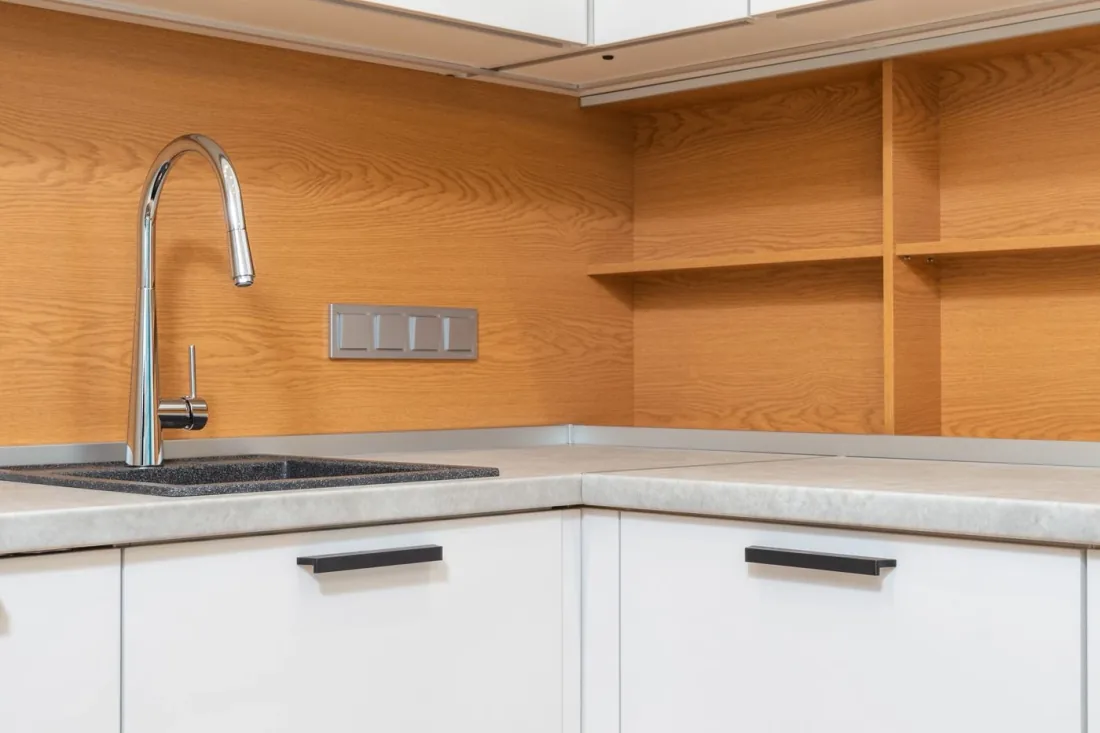
1. Mouse Droppings in Cabinets or Drawers
Small dark droppings near utensils, pantry shelves, or under the sink can indicate a mouse feeding or traveling nearby.
Rodent control services
Finding mouse droppings under the sink or hearing movement behind kitchen cabinets? We provide mouse control in Sugar Land TX for house mice hiding in pantries, walls, garages, and storage spaces. At Sugar Land Rodent Pros, we identify where mice are active, address the infestation, and check the small openings they use to enter. Call us when you notice signs of mice in your home.
ABOUT OUR MOUSE CONTROL SERVICE
One mouse in the pantry can be easy to spot. Finding where it came from is harder. We help Sugar Land homeowners with mice behind appliances, inside kitchen cabinets, along garage walls, and in other spaces where food and shelter are close together.
Our licensed, insured, and certified pest control technicians examine fresh mouse droppings, gnaw marks, nesting material, and travel paths. We look for active areas before choosing trapping or another appropriate treatment. The goal is to address mice already indoors and identify openings that may let more enter.
Our Sugar Land mouse control services cover new sightings and mice that keep returning after home traps. We focus on where mice feed, nest, and travel, so the treatment addresses the activity inside your home.
House Mouse Control · Qualified Pest Control Technicians · Sugar Land & Nearby Communities
WARNING SIGNS
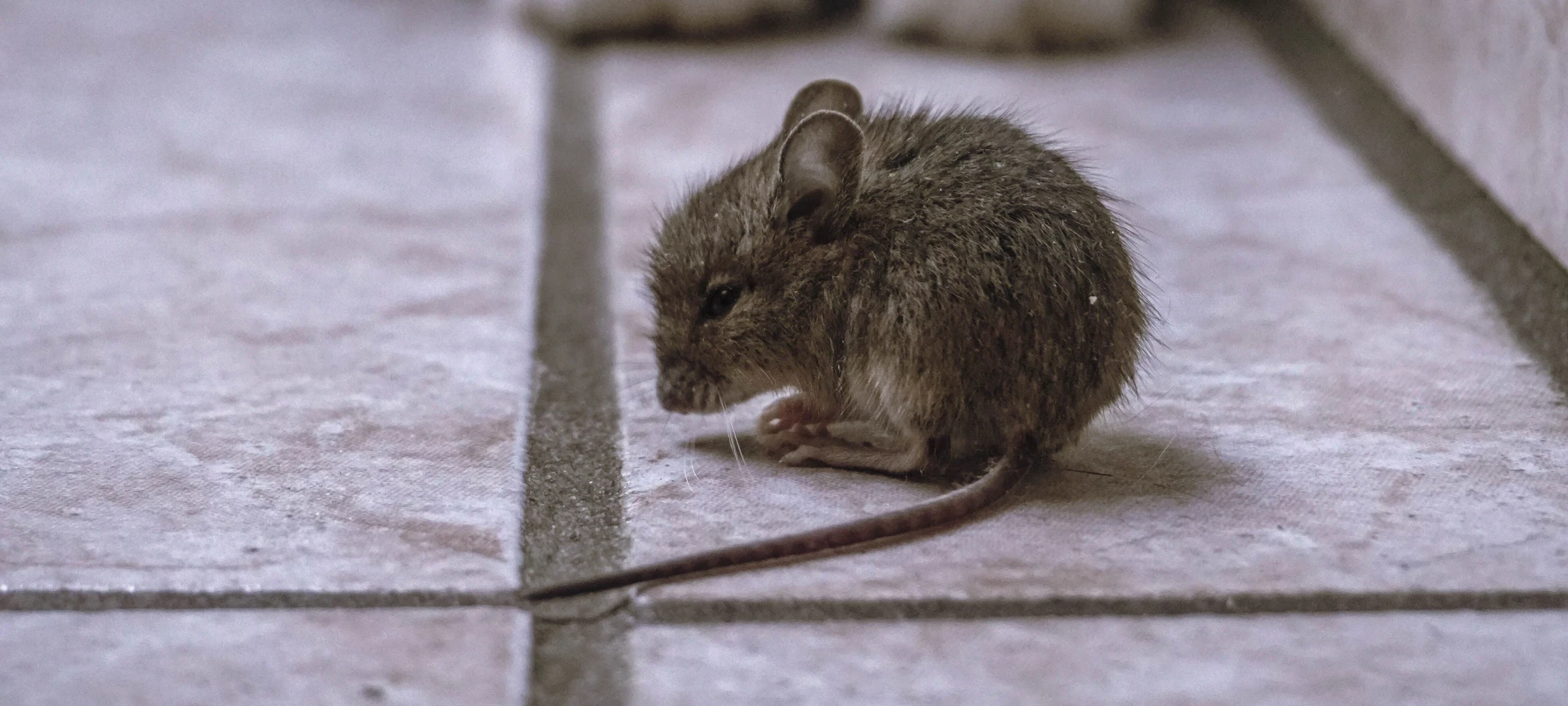
Common signs of a mouse infestation: Small droppings, chewed food packages, scratching inside walls, shredded nesting material, and mice seen near kitchens or storage areas.
Small dark droppings near utensils, pantry shelves, or under the sink can indicate a mouse feeding or traveling nearby.
Hear faint movement behind cabinets or at night? House mice use protected gaps near appliances, baseboards, and wall spaces.
Mice gnaw through cereal bags, pet-food sacks, and cardboard. Torn packaging or scattered crumbs may reveal a feeding area.
Mice can build nests from paper, fabric, and insulation inside quiet storage spaces or hidden gaps.
Seeing one mouse in the kitchen or garage does not tell you how many are present. Other signs help us assess activity.
New droppings, damaged food, or further sightings suggest mice may still be active, even after a trap catches one.
WHERE MICE HIDE
Mice often stay close to food, water, and narrow hiding places. We inspect where the signs appear and trace the sheltered paths they use to move through your home.
We check behind pantry shelves, inside lower cabinets, and around stored food for droppings, damaged packaging, and possible nest sites. A mouse seen on the counter may be using a much less visible route behind the cabinets.
Warm, protected spaces behind appliances can hide mouse activity. We inspect accessible edges, appliance gaps, and nearby walls, then select treatment locations that match the signs. You do not need to pull apart your kitchen before calling.
Openings where sink pipes pass through walls or cabinets may provide access. We look for droppings, gnaw marks, and trails near those penetrations, especially when mice repeatedly appear in the same kitchen or bathroom. A small gap behind a cabinet can lead into a wall cavity, so activity may continue even when the floor looks clean.
House mice also use garage storage, attic insulation, and cluttered closets for cover. We inspect accessible nesting areas and connecting openings rather than assuming every mouse comes from the kitchen.
MOUSE ENTRY POINTS
A house mouse can squeeze through an opening about a quarter-inch wide - roughly the width of a pencil. That makes small gaps important, even when you do not see an obvious hole in an exterior wall.
Spaces around water lines, electrical cables, and other wall penetrations can link exterior openings to cabinets or interior voids. We identify suitable gaps and discuss sealing as part of the treatment plan.
A worn seal at the bottom of a door may leave enough room for a mouse. We inspect door edges and garage openings when activity appears near the entrance or stored supplies.
Mice travel along edges and through concealed gaps. We look for droppings or gnaw marks that connect an interior hiding place to a larger route behind cabinetry.
Spilled pet food, loose pantry items, and crowded storage provide feeding and shelter opportunities. We explain practical ways to reduce those conditions while treating the mice already inside.
Mouse removal is not the same as mouse proofing. Treatment addresses active mice; rodent exclusion addresses suitable access points. Some properties need both, but we determine that from the inspection.
HOW IT WORKS
We follow a straightforward inspection, treatment, and prevention process based on where mice are active.
Tell us where you found droppings, saw a mouse, or set traps. We use those details to identify the areas to inspect first.
We check feeding spots, nesting material, travel routes, and accessible gaps. Then we select suitable trapping or treatment and discuss placement around children and pets.
We identify openings that may need mouse proofing, review what is included in the service, and explain any follow-up checks.
WHEN TRAPS AREN'T ENOUGH
Quick answer: A trap may catch a mouse without addressing nearby nesting areas, other active mice, or the opening that lets new mice enter.
Mice often move along walls and concealed edges. A trap in an open room may miss activity behind the stove, refrigerator, or cabinet base. We check the evidence before selecting treatment locations. Droppings along the back of a cabinet may reveal a mouse travel route even when nobody has seen the animal. That helps us select more useful trapping areas.
Catching a mouse does not establish that the problem is over. Fresh droppings, chewed packages, or continued noises can indicate further activity. We review those signs rather than relying on a single catch.
Mice can return through openings around pipes, doors, and exterior materials. Trapping alone does not close those routes. We identify suitable exclusion work when the inspection shows an access problem.
Open food packages, pet food left out overnight, and crowded storage support mouse activity. We identify these conditions without suggesting that cleaning alone will remove an established infestation.
KITCHEN & FAMILY SAFETY
Mouse activity in food-storage areas needs careful attention. We focus on removing the infestation and identifying affected spaces; sanitation or damaged-material replacement may need separate work.
Discard food that mice have gnawed or contaminated. Check nearby bags and containers for holes or droppings, and store replacement food in sturdy, tightly closed containers.
Do not sweep or vacuum dry mouse droppings. Follow CDC wet-cleaning and disinfection guidance, especially around utensils, drawers, and food-preparation surfaces.
We discuss trap placement and treatment precautions before work begins. Keep children and pets away from traps, baits, mouse waste, and any restricted areas identified by the technician.
We focus on the actual mouse problem rather than adding services your home may not need. You'll understand where the mice are active, what treatment covers, and whether entry-point repairs require separate work.
Our pest control technicians inspect mouse activity and review treatment precautions before starting work.
We check cabinets, appliances, plumbing gaps, and storage areas where mice may feed or hide.
We explain the recommended treatment, included visits, and any exclusion or cleanup work quoted separately.
PRICING FACTORS
Mouse control costs depend on how many areas show activity, how accessible they are, and whether the plan includes trapping visits or exclusion. We review the scope before work begins.
Activity limited to a pantry can require different work from mice moving through several rooms, walls, or attic spaces.
Hidden gaps behind appliances, tight storage, and enclosed wall spaces may change how the inspection and treatment are carried out.
We explain which treatment visits are included and whether sealing entry gaps or cleaning contaminated materials is separate.
AREAS WE SERVE
We provide mouse inspections, treatment, and removal in Sugar Land and surrounding residential communities.
Sugar Land neighborhoods
First Colony · Greatwood · New Territory · Telfair · Sweetwater · Sugar Creek · Sugar Lakes · Avalon · Commonwealth
Nearby communities
Riverstone · Pecan Grove · Riverpark West · Aliana · Sienna
Keep children and pets away from the affected area. Do not sweep or vacuum dry droppings. Check food packages for damage and follow CDC cleaning guidance. Call us if you find new droppings, see a mouse, or suspect activity behind cabinets or appliances.
Yes, but one sighting does not prove a large infestation. Fresh droppings in several locations, repeated sightings, and chewed food packages can help us identify ongoing activity. We inspect those signs before recommending treatment.
A mouse can enter an opening about a quarter-inch wide, approximately the width of a pencil. We inspect plumbing penetrations, exterior gaps, garage seals, and other accessible openings. Appropriate sealing can be part of the plan, but it does not replace treating mice already inside.
Traps work best where mice actually travel, often along walls and behind appliances rather than in the middle of a room. Placement must also keep children and pets from reaching them. We assess the signs and choose treatment locations accordingly.
It depends on how many mice are active, where they nest, and whether new signs appear after the first treatment. Some homes need follow-up visits. We explain the proposed schedule and what is included after inspection rather than promise a fixed removal time.
If mice are already inside, sealing openings alone may leave the animals trapped indoors. We assess active mice and access routes together, then recommend treatment and suitable exclusion work in the appropriate order. A Sugar Land mouse exterminator should explain both parts clearly.
House mice can enter smaller gaps and often leave signs in cabinets, pantries, and spaces behind appliances. Rat activity may require attention to larger attic routes or ground-level burrows. We inspect the signs before choosing the right approach, including rat removal when appropriate.
The price depends on affected rooms, access, trapping visits, and any entry-point sealing. If you're comparing a mice exterminator in Sugar Land with other services, ask what the quote includes and whether follow-up is separate. Call (346) 556-0061 to request a quote.
Finding mice in your kitchen or droppings in the pantry? Call Sugar Land Rodent Pros. We'll inspect the activity, recommend treatment, and explain any entry-point sealing needed.