
Skip to content

Rodent control services

Sugar Land Rodent Exclusion | We Find and Seal Rodent Entry Points

Keep catching mice but still finding droppings? Hearing rats in the attic after treatment? Our Sugar Land rodent exclusion service focuses on the openings that allow rodents inside. We inspect rooflines, vents, garage doors, and gaps around pipes, then recommend suitable sealing work. At Sugar Land Rodent Pros, we address the access problem without overlooking rodents already in the home.

  • Licensed & Insured
  • Rodent Entry-Point Sealing
  • Home Inspections
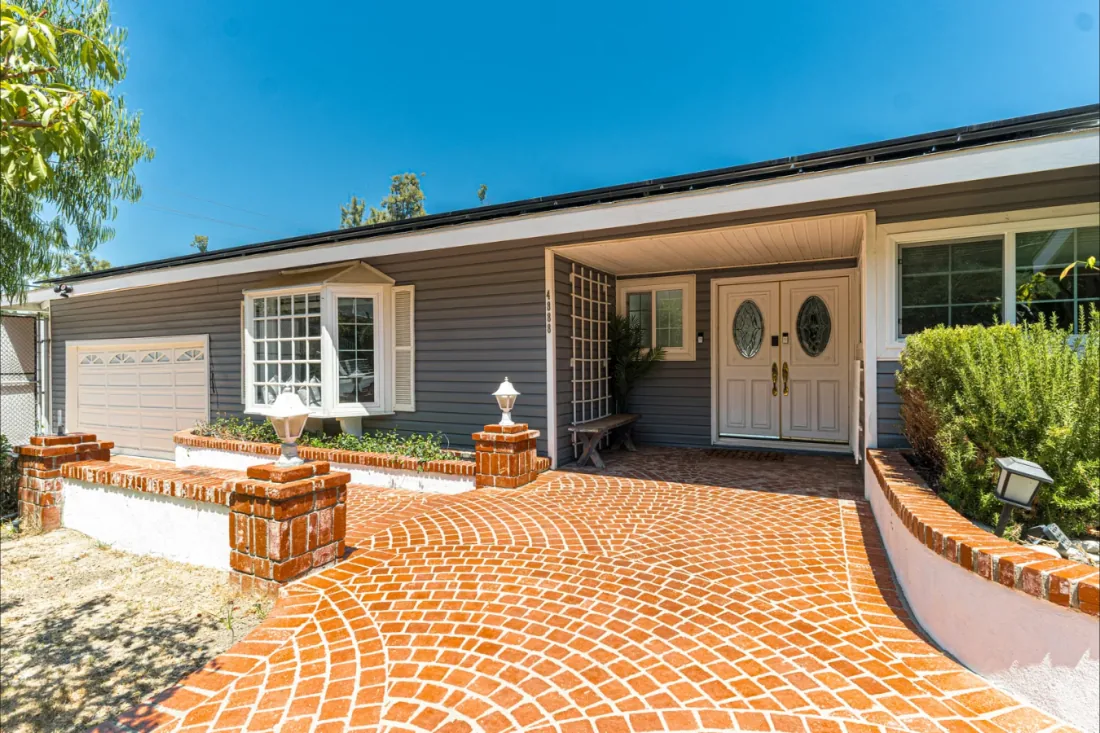
Residential exterior with roofline, garage and visible utility areas

ABOUT OUR EXCLUSION SERVICE

Professional Rodent Exclusion in Sugar Land, TX

Rats and mice do not need an open doorway to get inside. A damaged soffit, worn garage seal, or unprotected utility opening can give them access to attics, walls, or kitchens. Our exclusion work focuses on locating and protecting those entry routes.

We inspect the outside of Sugar Land homes, connect exterior gaps to signs of activity inside, and explain which openings need attention. Our licensed, insured, and certified pest control technicians look at roof edges, vents, garage doors, and plumbing or utility penetrations before recommending work.

Some homeowners call after repeat attic noises. Others want rodent proofing after spotting a gap under the garage door or finding droppings below the kitchen sink. We assess the property instead of assuming every visible crack needs the same repair.

Rat & Mouse Entry-Point Inspections · Rodent-Resistant Sealing Options · Sugar Land & Nearby Communities

COMMON ENTRY POINTS

Where Rats and Mice Get Into Sugar Land Homes

Roof rats can use damaged roof edges, while house mice can squeeze through openings about ¼ inch wide. We compare suspected exterior access points with the attic noises, droppings, and gnaw marks you notice indoors instead of treating every crack as a rodent entry point.

1. Roofline Gaps and Soffit Openings

Loose soffit panels, damaged roof edges, and gaps where materials meet can let climbing rats reach an attic. We inspect the roofline from accessible areas and check whether the opening leads into a ceiling or wall space.
2. Attic Vents and Gable Openings

Damaged screens, missing vent protection, or gaps beside a vent can provide access. We assess the vent before proposing a cover because attic ventilation must continue working after rodent exclusion.

3. Pipes, Cables, and Utility Penetrations

Water lines, electrical conduits, cable entries, and air-conditioning connections pass through exterior walls. Unsealed space around them can connect a garage, kitchen cabinet, or utility area to wall voids. We inspect the opening, not the pipe itself.

4. Garage Doors and Exterior Door Gaps

Daylight below a closed door, worn sweeps, or uneven garage-door seals can leave a route for mice or rats. We examine the bottom and sides of the opening and assess whether a better-fitting, rodent-resistant barrier is appropriate.

5. Foundation Cracks and Brick Weep Holes

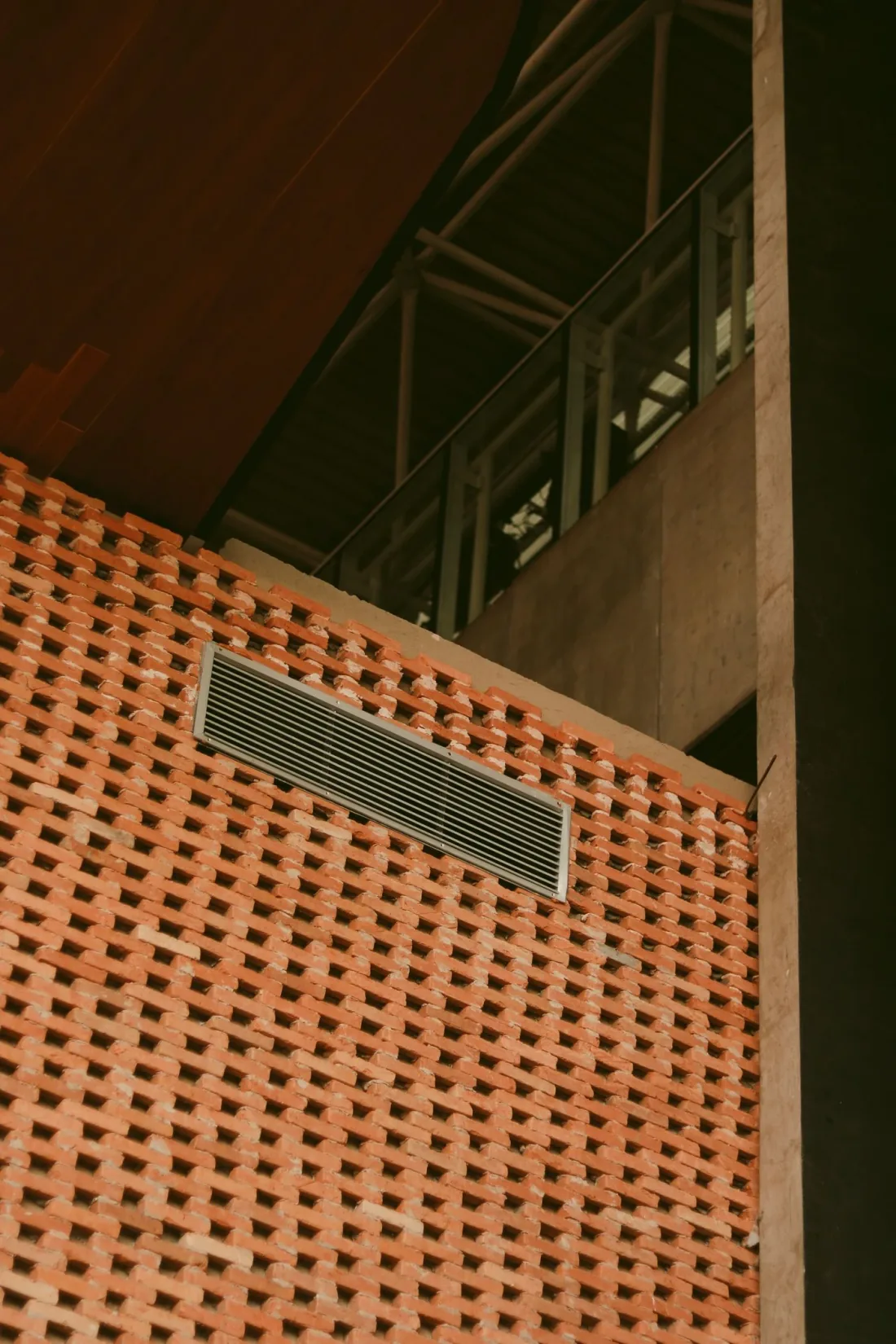
We inspect foundation joints and accessible gaps near ground level. Brick weep holes deserve special care: they allow moisture to drain, so we do not fill them solid. Any pest-resistant protection must preserve drainage and ventilation.

6. Openings Behind Kitchen Cabinets and Sinks

A mouse can appear under a sink even when the exterior opening is elsewhere. Gaps around plumbing and unfinished cabinet backs may connect to wall spaces. We look for droppings and gnaw marks that help trace the route outward.

HOW WE FIND THE GAPS

Rodent Entry-Point Inspection From Roofline to Foundation

A good exclusion plan starts with more than walking around and filling visible holes. We compare what happens inside the home with the openings and worn materials we can inspect outside. That helps us avoid spending money on unrelated cosmetic cracks.

Vent set into an exterior brick wall

Follow the Evidence Inside

Fresh droppings below an attic hatch, gnaw marks near a utility opening, or rub marks along a beam can suggest where rodents travel. We examine accessible areas and connect those clues to likely exterior routes.

Check the Exterior by Building Area

We inspect reachable roof edges, soffits, vent surrounds, siding joints, foundation gaps, door sweeps, and utility penetrations. A roof-rat problem directs attention upward; mice near a pantry may lead us toward smaller openings and service lines.

Separate Entry Points From Building Features

Not every opening should be sealed. Roof and attic vents support airflow, brick weep holes release moisture, and dryer exhaust outlets have their own requirements. We identify which gaps need repair and which components need purpose-made protection.

MATERIALS & REPAIRS

How We Seal Rodent Entry Points

The repair depends on the size of the gap, the surrounding material, and what the opening is meant to do. We recommend rodent-resistant materials for vulnerable access routes rather than assuming a bead of sealant will solve every problem.

Metal Mesh and Hardware Cloth

Corrosion-resistant metal mesh, including stainless-steel or copper options, and correctly fitted hardware cloth can protect some openings. We consider the surrounding material, required airflow, and weather exposure. Loose edges or oversized openings can leave a route for rodents.

Metal Flashing and Durable Patches

Damaged edges around some roof, siding, and utility openings may call for metal flashing, sheet-metal protection, or another durable repair. We discuss the repair surface and whether separate roofing or building work is required.

Sealants for Small Gaps

For smaller holes, suitable metal filler secured with compatible caulk or sealant may be appropriate. Exposed spray foam alone is vulnerable to gnawing, so we match the filler and finish to the opening and surface.

Door Sweeps, Seals, and Vent Covers

A worn garage gasket or door sweep can leave an obvious opening after the door closes. We assess replacement options and proper fit. Vent protection must allow the equipment to operate safely; dryer exhaust outlets must not be covered with lint-catching mesh.

Building safety: We keep necessary attic airflow, brick drainage, and dryer exhaust functions intact when selecting entry-point protection.

HOW IT WORKS

Our Sugar Land Rodent Exclusion Process

We keep the process clear and base the work on your home's actual openings and rodent activity.

  1. 01

    Schedule an Entry-Point Inspection

    Tell us where you've seen rats or mice, heard attic noises, or noticed gaps around doors and vents. We review those concerns during the property inspection.

  2. 02

    Identify Openings and Confirm Activity

    We examine accessible entry points, check for signs of rodents inside, and explain which areas need sealing, protection, trapping, or a separate repair.

  3. 03

    Complete Approved Sealing Work

    We address the openings included in your exclusion plan using appropriate methods, then review the repaired areas and any activity or follow-up that still needs attention.

WHEN RODENTS ARE ALREADY INSIDE

Should You Seal Entry Points Before Removing Rodents?

Short answer: We check for active rats or mice before completing exclusion. Closing all openings without addressing rodents already inside can create a new problem rather than solve the original infestation.

If You Still Hear Rats in the Attic

Ongoing scratching, fresh droppings, and recent trap catches may mean rats are still inside. We plan rat removal and roofline repairs in the right order rather than sealing animals into the attic.

If Mice Keep Appearing in the Kitchen

Mice may travel through plumbing openings, cabinet backs, and connected wall spaces. When we find active nesting or feeding signs, we coordinate mouse control with suitable exterior repairs.

If You Want Prevention Before an Infestation

You don't have to wait for a rat or mouse sighting to ask about vulnerable exterior gaps. We can assess the openings we can reach and discuss preventive repairs. We won't call a home infested without evidence of rodent activity.

WHY HOME SEALING FAILS

Why Rodents Can Return After Entry-Point Sealing

Exclusion reduces access, but no repair makes a home permanently immune to rodents. We focus on common reasons a previous sealing attempt didn't solve the homeowner's problem.

Only the Obvious Hole Was Sealed

A garage gap might be repaired while a roof vent or utility opening remains exposed. We review the exterior as a connected structure and look for activity near more than one possible route.

The Repair Material Was Easy to Damage

Exposed foam, loose filler, or a poorly fitted patch may fail under gnawing or weather. We consider stronger barriers where needed and explain when a building material requires a different repair.

A Door or Vent Still Has a Gap

A new gasket that doesn't meet the threshold may leave daylight under a garage door. A damaged vent cover can leave an edge open. We look at the finished fit rather than assuming a replacement part solved the problem.

Conditions Changed After the Repair

Roof repairs, new cables, aging sealant, or storm damage can create openings later. Overhanging branches and accessible food may still draw rats toward the house. We identify those conditions without promising lifetime protection.

Why Choose Sugar Land Rodent Pros?

We focus on the access points that matter to rat and mouse problems rather than selling the same sealing package for every house. You'll know which openings we found and what the proposed work covers.

Licensed, Insured & Certified Technicians

Our licensed, insured, and certified pest control technicians check rodent evidence and exterior openings before recommending an exclusion plan. We review the work before it begins.

Building-Aware Exclusion Recommendations

We assess how vents, door seals, and masonry openings function so rodent-proofing does not create a drainage, airflow, or equipment problem.

Clear Repair and Treatment Scope

We separate identified access routes from unrelated cosmetic cracks and outline the approved sealing work. Roofing, masonry, or electrical repairs outside that scope are discussed separately.

PRICING FACTORS

What Affects Rodent Exclusion Costs in Sugar Land?

Rodent exclusion costs depend on the number, size, and location of entry points, the materials needed, and whether active rodents require a separate treatment plan. We review the openings before quoting the work.

  1. 01

    Number and Size of Entry Points

    Protecting a single pipe gap differs from repairing several soffit edges, vent openings, and door gaps. We identify which openings belong in the exclusion scope.

  2. 02

    Roofline and Attic Access

    Some gaps are easy to reach from ground level. Others sit near roof edges or restricted attic spaces. Access and working conditions can change the repair plan.

  3. 03

    Rodent-Resistant Materials and Repairs

    A fitted metal barrier, door sweep, and small sealed joint involve different materials and labor. We explain which method suits each opening and when structural repairs are separate.

  4. 04

    Active Rodent Treatment and Separate Repairs

    If rodents remain indoors, trapping or return visits can add to the plan. We identify these costs separately from entry-point sealing and flag roofing, electrical, or insulation work that needs another service.

AREAS WE SERVE

Rodent Exclusion in Sugar Land, Texas and Nearby Areas

We provide rodent entry-point inspections and home sealing services in Sugar Land and surrounding residential communities.

Sugar Land neighborhoods

First Colony · Greatwood · New Territory · Telfair · Sweetwater · Sugar Creek · Sugar Lakes · Avalon · Commonwealth

Nearby communities

Riverstone · Pecan Grove · Riverpark West · Aliana · Sienna

Frequently Asked Questions

How can I tell whether rodent exclusion worked?

We review the openings addressed in your plan and discuss signs to watch for, such as fresh droppings, new gnaw marks, or continued attic noises. Exclusion reduces access, but later damage can create new openings. Ask whether a follow-up check is included.

How small a hole can mice or rats use to enter my house?

Mice can squeeze through openings about ¼ inch across, roughly the width of a pencil. Adult rats generally need larger gaps, around ½ inch, although young rats can use smaller openings. We check openings according to the evidence and the building materials involved.

Can you seal gaps around roof vents and soffits?

Yes, suitable gaps around rooflines, soffits, and attic vents can be part of rodent exclusion. We select repairs that protect access points while preserving needed airflow. If a roof component is damaged, we'll explain whether a separate roofing repair is required.

Should I fill brick weep holes to keep mice out?

No. Brick weep holes let trapped moisture drain from behind the brick. We check whether suitable pest-resistant protection is possible without closing that drainage route. Filling the openings solid can cause building problems unrelated to rodents.

Is spray foam enough to keep rats and mice out?

Not for every opening. Rodents may gnaw through exposed foam, particularly where the hole remains accessible. We assess whether a rodent-resistant barrier, suitable filler, metal protection, or another repair is needed instead of relying on foam alone.

Can you put mesh over my dryer vent to keep mice out?

We don't install lint-catching mesh over dryer exhaust outlets. Screens can trap lint and restrict airflow. We assess appropriate vent covers and gaps around the outlet while preserving the vent's required operation.

Will rodent exclusion require opening walls or removing cabinets?

Many access points can be assessed from reachable exterior and interior spaces. If a finished wall, cabinet, or roof component needs to be opened or removed, we discuss that work and any separate trade before proceeding.

How long does rodent exclusion take, and does it stop rodents forever?

The time depends on the number of openings, access conditions, and repair materials. We explain the work after inspection. Exclusion helps reduce future access, but homes can develop new gaps through wear, weather, or repairs, so we don't promise permanent immunity.

How much does rodent exclusion cost in Sugar Land?

The cost depends on the openings found, where they sit, and the sealing or repair materials needed. We explain whether trapping, follow-up visits, and separate repairs are included. Call (346) 556-0061 to discuss your property and request a quote.

Sugar Land Rodent Exclusion | Seal the Entry Points Rats and Mice Use

Seeing gaps around your roofline, garage, or pipes? Call Sugar Land Rodent Pros for a rodent entry-point inspection and a clear exclusion plan.